On November 17th, 1962, President Kennedy and former President Eisenhower came to the Virginia Piedmont to dedicate a new airport. Named for the former Secretary of State John Foster Dulles, this international airport heralded a seismic change in the Northern Virginia landscape. It drew new business investment and burgeoning suburban development into eastern Loudoun County, starting a trend that continues to this day. Beneath the tarmac and terminals, there is the story of one of the Heritage Area‘s lost villages.
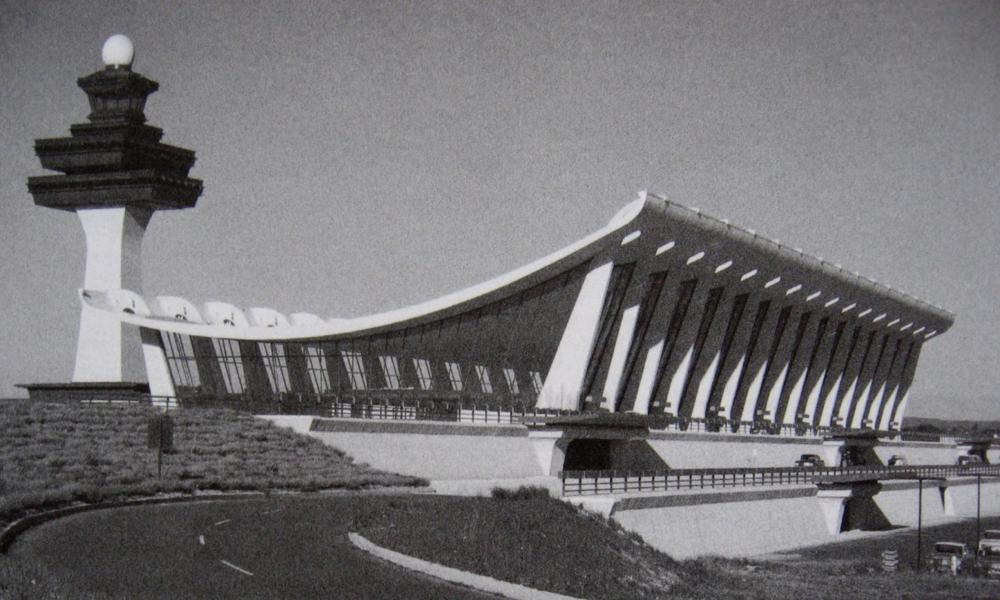
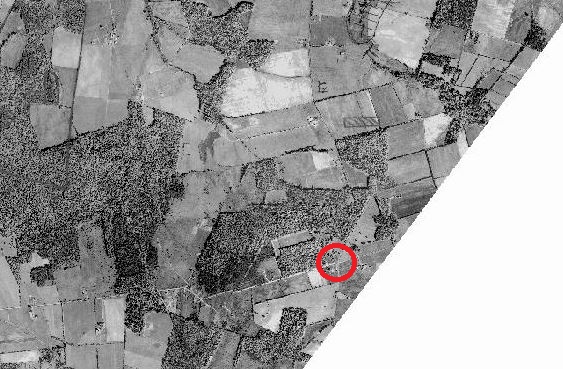
Long before the construction of Dulles Airport, the location was home to the village of Willard, which lay at the intersection of Willard and Horsepen Roads. Most of the village inhabitants were African-Americans – descendants of former slaves – who worked on the surrounding farms and orchards that stretched in every direction. The community had coalesced in the decades after the Civil War, centered around a general store/post office and a handful of homes and anchored by a one-room school and the Shiloh Primitive Baptist Church. By the 1890s, Willard was one of several “Freedmen” villages that existed in eastern and southern Loudoun County.
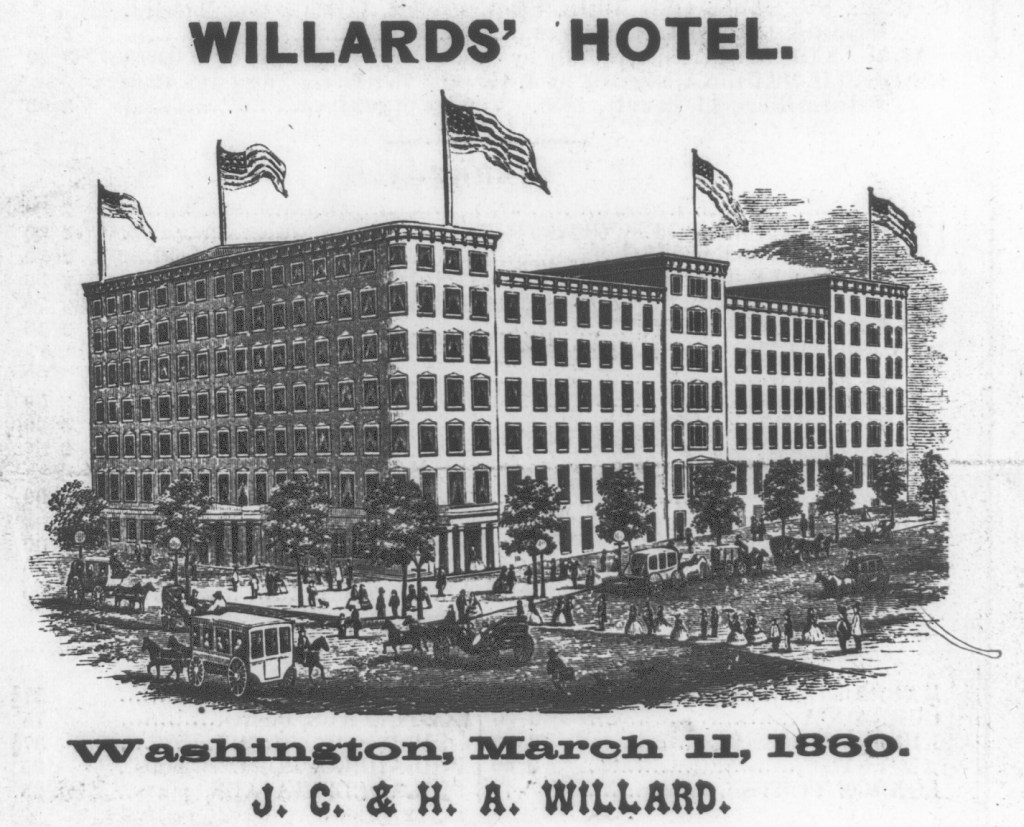
The village took its name from Joseph Edward Willard, a prominent landowner and politician who owned vast tracts of land in the area. His fortune came from the hotel industry, where Joseph’s father and uncle owned and operated the famous Washington hotel that bears the family name. Joseph Willard turned to politics, and was active as a state representative and Lieutenant Governor of Virginia from 1902-1906.
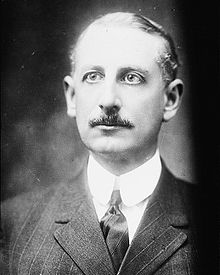
Joseph Willard’s time in Richmond coincided with the heyday of the village of Willard, and by 1910 the village was in decline. The post office shuttered in 1907, and the general store went under during the Great Depression. Willard was home to an early airfield, the Blue Ridge Airport, but that enterprise only lasted from 1938 to 1942. In 1948 the Willard School was closed and moved. By the 1950s, only a few dozen residents remained.
As Willard declined, the suburbs around Washington grew at a record pace, fueled by the post-war economic boom and massive migration to the capital region. Planners struggled to keep pace with development, and building a new international airport to handle increased traffic became a priority. Sites around the Virginia and Maryland suburbs were studied, but many residents objected to the creation of an airport so close to their homes. A decision was finally made in 1958, when Willard was selected to be home to the new airport. The 87 remaining landowners of the village and surrounding countryside were bought out by the Federal government, who acquired nearly 10,000 acres for the project. Over 300 structures were razed to make room for the runways and terminal.
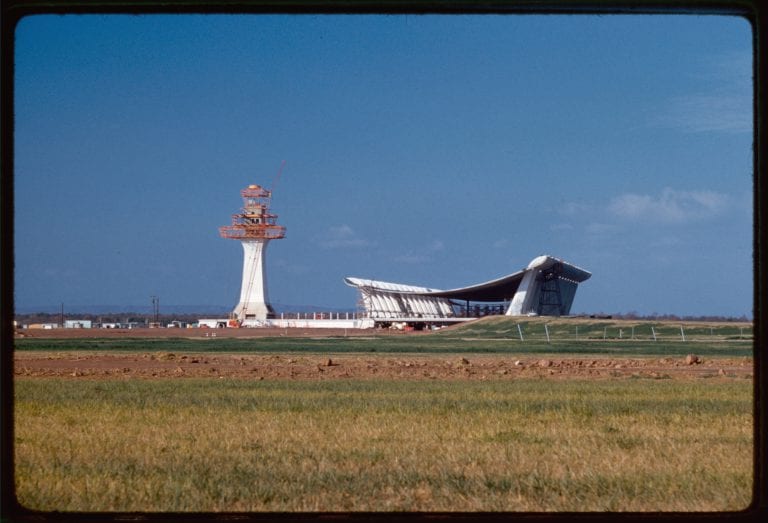
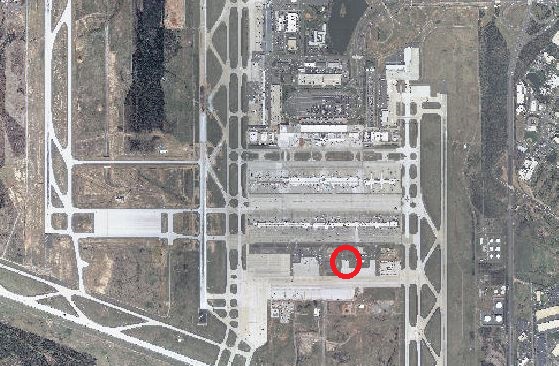
By the time the airport was dedicated on November 17th, 1962, nearly every trace of Willard had been obliterated from the map. Only a handful of buildings survived to be re-purposed into storage structures along the northern end of the airport. The crossroads at the heart of the village was located just south of Terminals C and D. Millions of visitors travel through Dulles International Airport every year, making it the most significant “crossroads” in the Heritage Area today. How many realize they’re also travelling through the long forgotten crossroads of Willard?
Class Activity: In your own words, answer the following questions
- Who were the first residents of Willard?
- How many buildings were destroyed to create Dulles Airport?
- Examine the two images above, showing the birds-eye view of Willard before and after the airport was built. Would you have decided to build an airport here? Why or why not?

 See it, Save it