
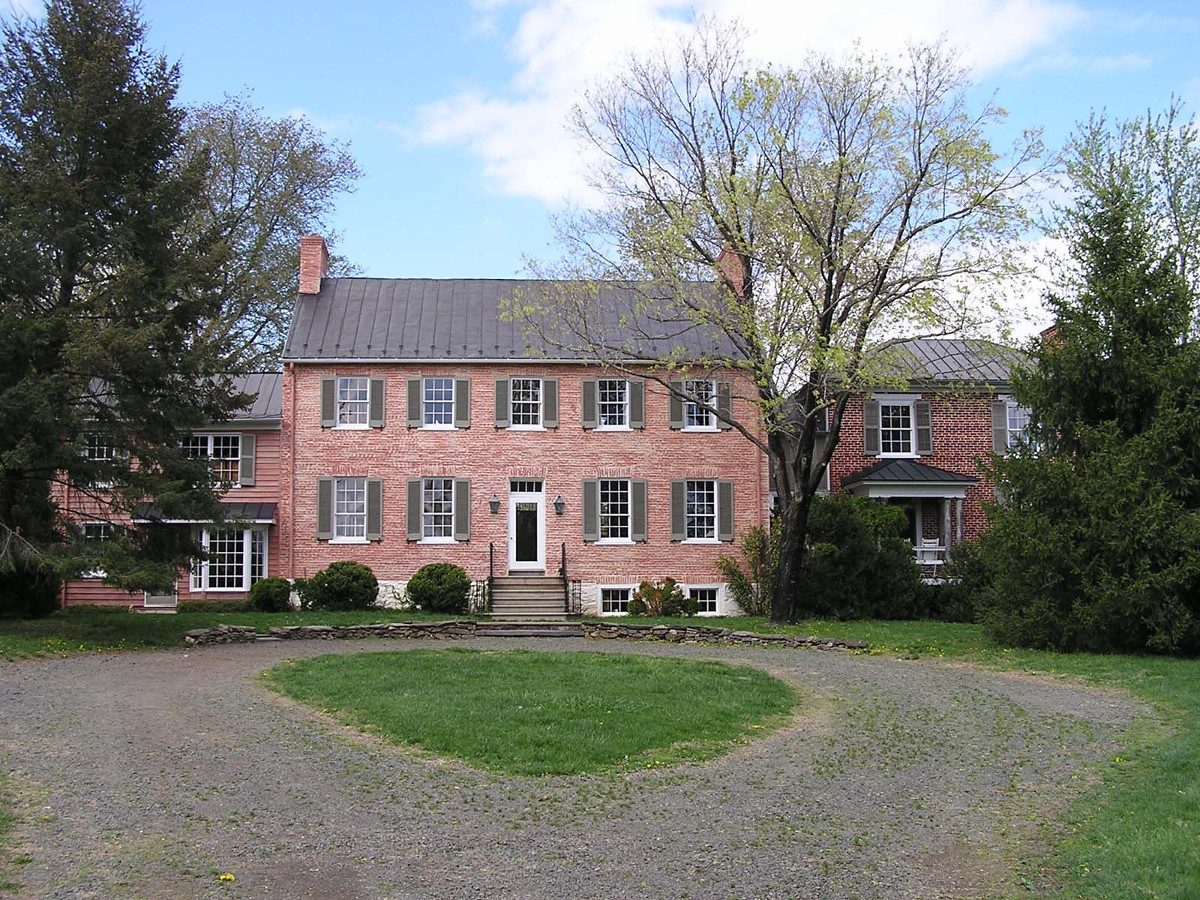
Welbourne is one of Middleburg’s most recognizable porches, most beloved party venues, and a favorite among local history lovers. Few places in the Washington, D.C. metro area boast of original coach barns, stickball matches, icehouse foundations, or Civil War artillery officers’ signatures etched in the rippled glass windows. Welbourne has all that and then some. Having spent a night as an Inn guest (an honor you too can share), the ambiance is startlingly authentic; so much so, you end up leaving the following morning after a huge breakfast feeling a little like you’ve stepped out into the future.
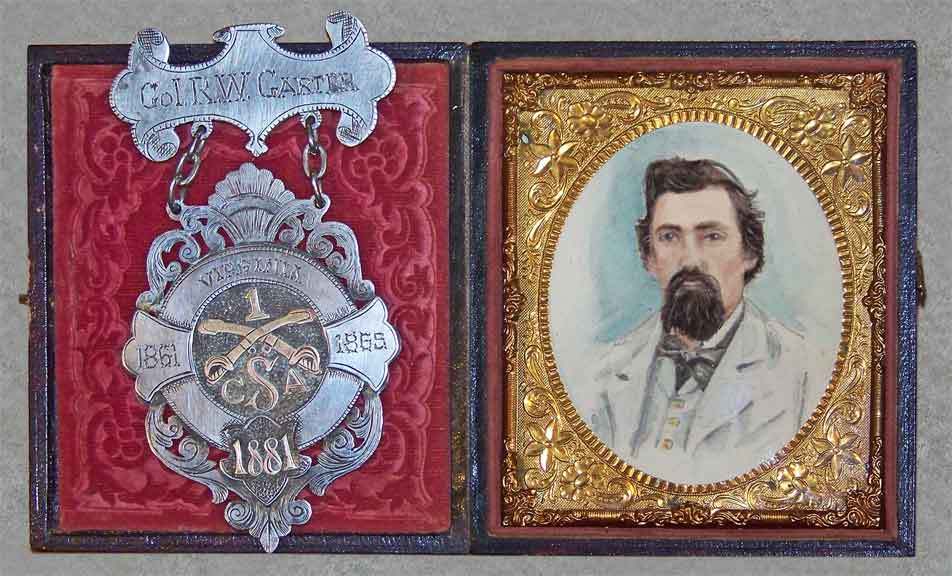
While portraits of ancestors keep watch over mantles, the house has a significant aura of the early 20th century too; Welbourne is not just the oil-painted faces of Civil War soldiers, but also the breeze of a Victrola and the clink of bourbon on the rocks on the porch. I would venture to say it was the spirit of Edwardians or the Jazz Age’s swell dolls that met me at the door at Welbourne more so than the imposing legacy of Colonel Richard Henry Dulany of the 7th Virginia Cavalry.
The famous houseguest of July 1934 says it all,
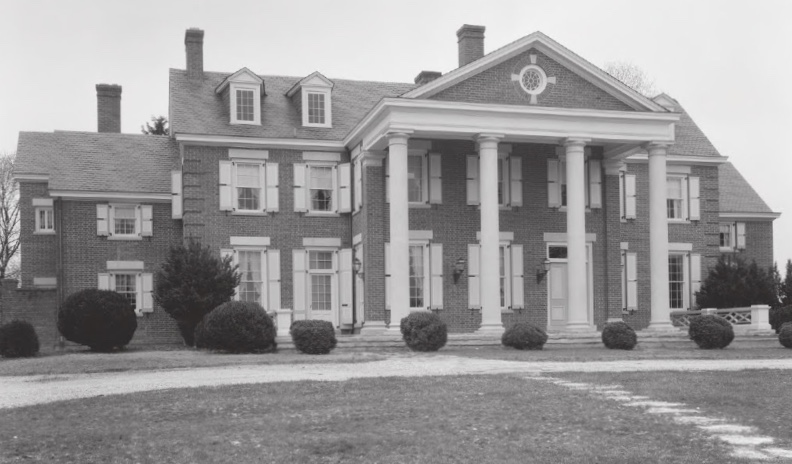
“The house floated up suddenly through the twilight of rain. It was all there – the stocky central box fronted by tall pillars, the graceful one-story wings, the intimate gardens only half seen from the front, the hint of other more secret verandas to face the long southern outdoors.”
-F. Scott Fitzgerald, Her Last Case (The Saturday Evening Post, November 3, 1934)
F. Scott Fitzgerald was adrift on a sea of gin in 1934, in need of a lifeboat to help with the delirium tremens. His editor, Maxwell Perkins at Scribner’s, sent him south – to Middleburg of all places. While minting the excesses of the era eternally with Jay Gatsby and naming the whole thing The Jazz Age, Fitzgerald needed simplicity, open air, and less gild. F. Scott Fitzgerald published the short story for The Saturday Evening Post, Her Last Case, tapping into some of his impressions from his sojourn at Welbourne. As you look at the home, the right-side one-story wing was Fitzgerald’s room during the summer of 1934.

As The Great Gatsby has long been assigned reading in high school, it seems ever more amazing that the de facto recorder of the roaring twenties, Francis Scott Key Fitzgerald himself, passed a respite here in the Heritage Area. When it comes to a writer prone to putting on the Ritz, there may not be a more fitting setting, anywhere, than Welbourne to feed the creative mind.
The Piedmont Heritage Area’s central location on the east coast, proximity to Washington, D.C., and the famed hunt country resulted in landscapes and buildings that have played an equally important host to not only cavalry but also those who need historic open space vistas, and yes, even whimsy. The very porch where F. Scott Fitzgerald sat ruminating and drafting stories is the same where Confederate cavalry officer General J.E.B. Stuart sat on horseback to have his breakfast during the Battle of Unison in November 1862. This fact was not lost on Fitzgerald,
It was an old town – an old church, an old courthouse, old frame or stone houses; over the main street hung the usual iron sign:
HERE A SQUADRON OF STUART’S CAVALRY FOUGHT A FIERCE ENGAGEMENT WITH –
She read only that – there had been such signs all along the road.
Her Last Case
Another writer in need of Welbourne, according to his editor Maxwell Perkins at Scribner’s, was Thomas Wolfe, the wordy North Carolinian famous for “Look Homeward, Angel” and for paving the way for the Beat Generation. Wolfe stayed at Welbourne in October 1934 and would go on to publish “The House of the Far and Lost,” drawn from his stay among the cavalry battlefields and foxhunts. Wolfe very aptly captures the certain something that is the aura of Welbourne (or as he calls it, Malbourne):
…the House at Malbourne in the hunting district of Virginia. The house in its general design is not unlike the one at Mt Vernon save that it is situated in a hollow rather than on a hill….. it yet surpasses it in warmth and naturalness. An air of ease and homely comfort has pervaded every line; and even the somewhat rambling and haphazard changes and additions of a century of use have served only to enhance the noble dignity of the old house. The place is warm with life.And in this grand and spacious landscape too moon-haunted, silent as it is, there is a kind of sadness, a solemn and yet tragic stateliness – the ghost of something gone forevermore.
The House of the Far and Lost, 1934
So, what is the missing connection between these famed writers who rubbed elbows with Ernest Hemingway and Edith Wharton and the porch of Middleburg’s Welbourne? Miss Elizabeth Lemmon, the very close friend of their editor, Maxwell Perkins. Miss Lemmon lived at the Church House, next door to her sister Frances Morison (Mrs. Nathaniel Holmes Morison) at Welbourne. Maxwell Perkins sent his troubled writers to her rural Virginia escape, entrusting the Morison family to deliver plots, storylines, or maybe just rest. Mission achieved in both cases.
A typical statement in some of the Piedmont Heritage Area’s programming is that if Civil War Battlefields don’t hold much interest for you, there is certainly enough other history here to find something that will ignite a spark of further appreciation of history. Welbourne is a time capsule that offers up the rare glimpse of the Civil War literally happening right on the front porch as well as the syncopated first steps into the modern era. While on appearances it is a grand historic home, one that makes you think of Mt. Vernon or places one purchases a guided tour ticket. Welburne, however, is very real and welcoming. How better to digest history than to sit exactly where the teenaged Dulany daughters sat watching Major John Pelham’s artillery move down Welbourne Road or sitting in the same parlor with the same furniture where the family sat listening to the radio on the day that will live in infamy. Talk about authenticity.












 See it, Save it